Nature recovery project slows the flow
Scottish Woodlands is involved in an exciting nature recovery project at Glen Dye Moor in Aberdeenshire.
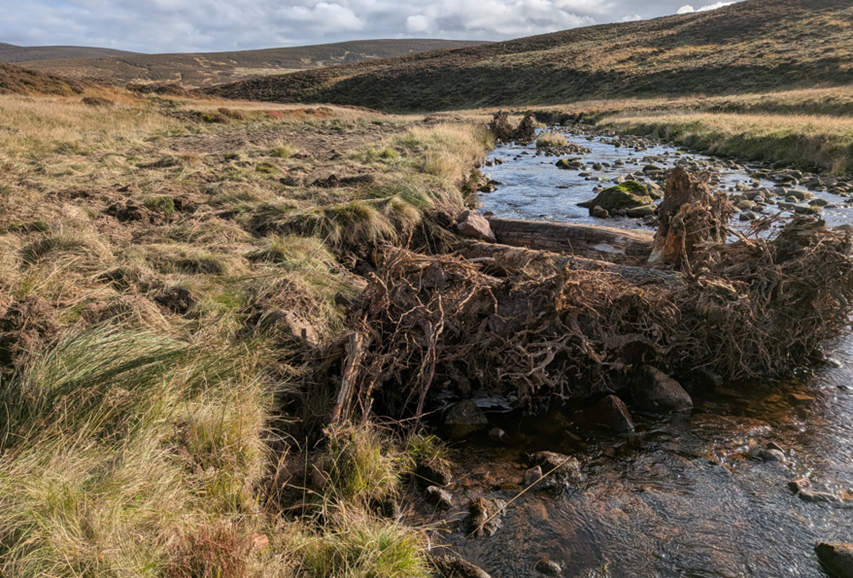
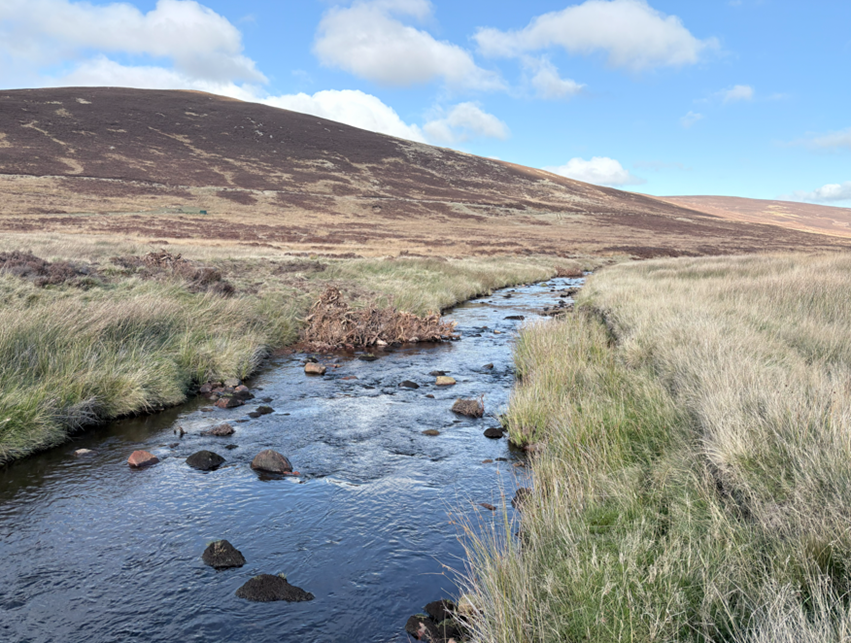
The scheme is designed to slow the flow of the Water of Dye, a tributary of the River Dee, and enhance biodiversity in the area.
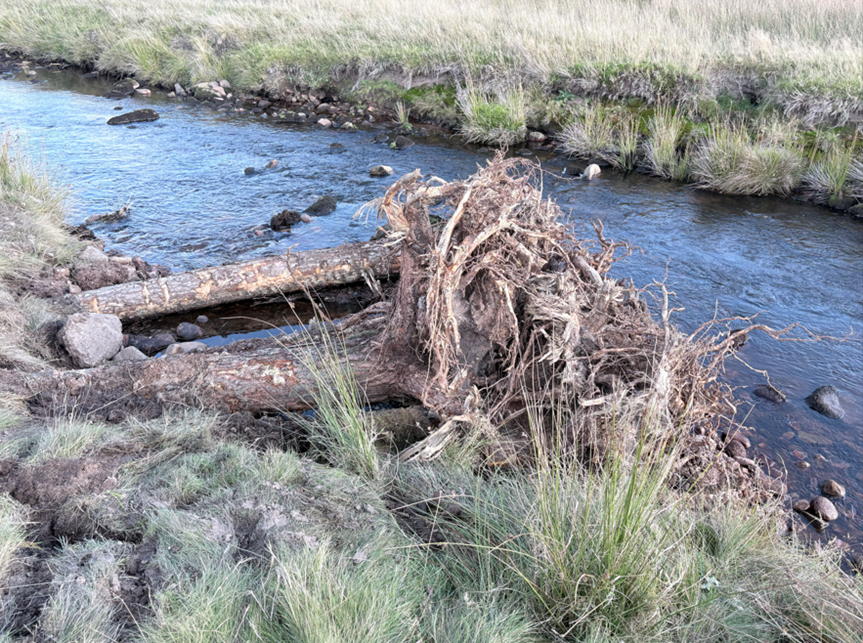
Specialist contractors CRC are installing large woody structures along the Water of Dye, as part of a wider river and floodplain restoration project.
The project has been funded through Nature Scot's Nature Restoration Fund, with supporting finance coming from Aviva Investors and PXN Group. It has been delivered in collaboration with the River Dee Trust and Board, the University of Stirling and Scottish Woodlands.
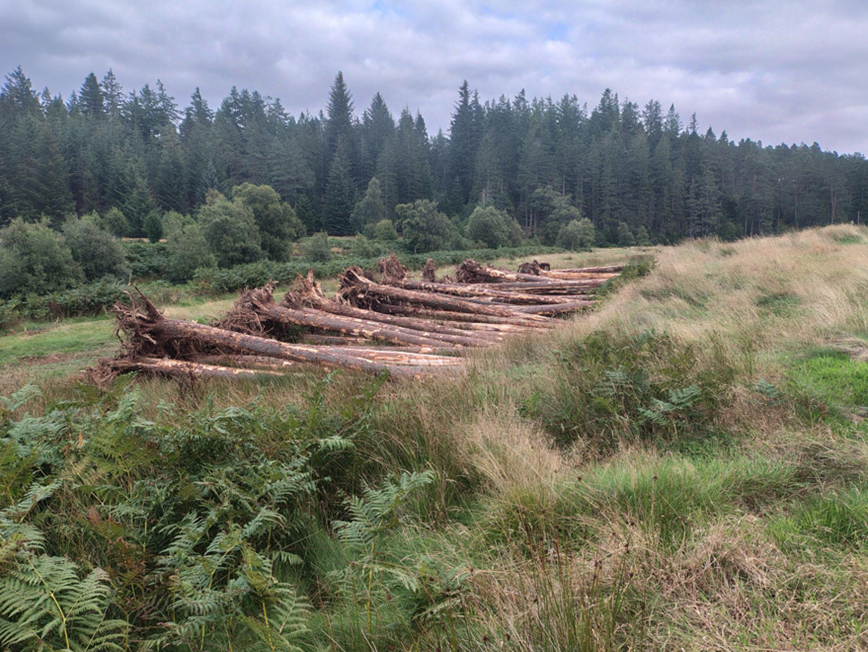
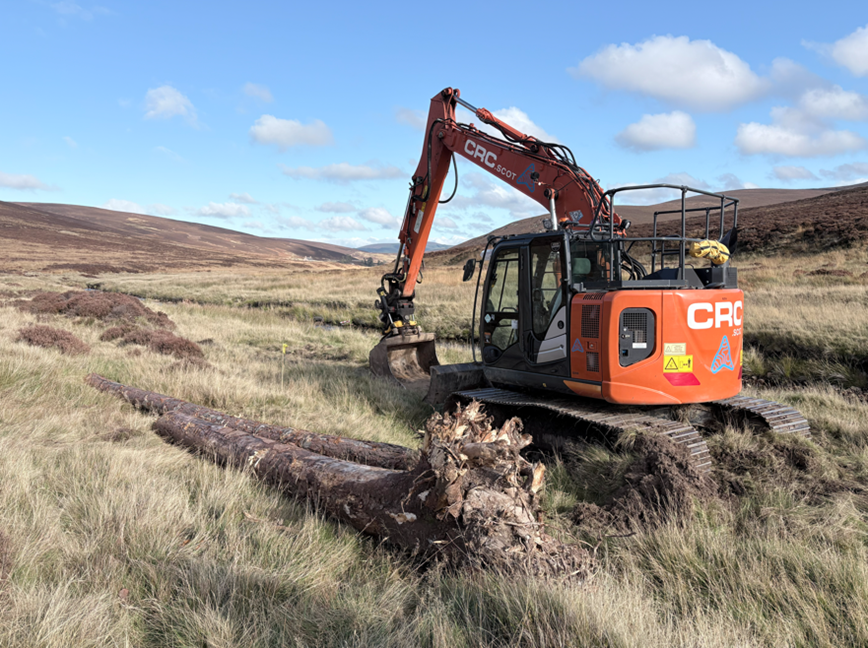
Eddie Addis, Director for North Scotland for Scottish Woodlands, said: "The woody structures have been created from timber sourced on the site, and are designed to slow the flow of the river, and help reconnect the channel with the floodplain."
"The project also aims to enhance habitats - by improving conditions for fish, invertebrates and other wildlife - and to create a more resilient, long-term landscape in the face of the challenges of climate change."
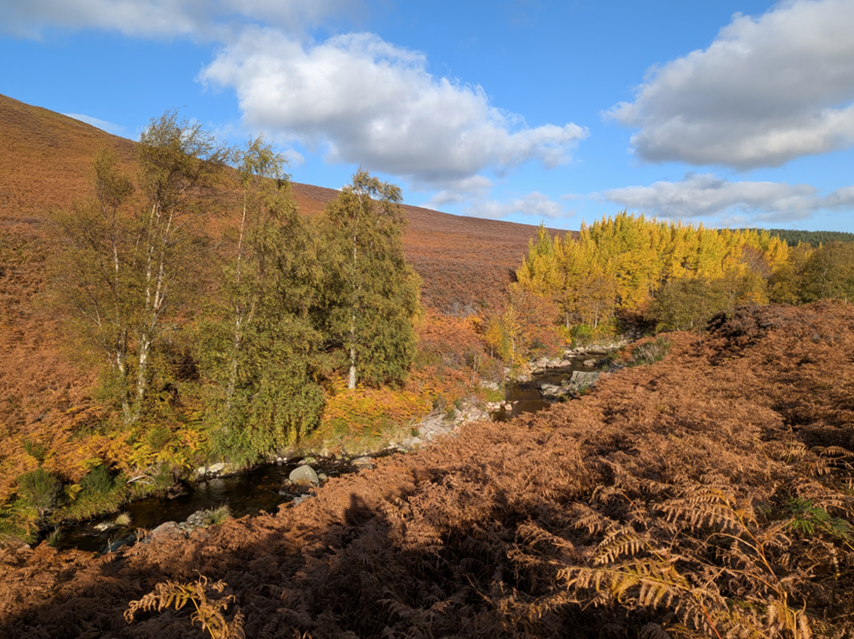
The river restoration works form part of a broader programme of nature recovery at Glen Dye Moor, alongside peatland restoration, woodland creation and improved habitat management. A commitment to long-term monitoring and a PhD study from the University of Stirling - wholly funded by Aviva Investors and PXN Group - will demonstrate the benefits being delivered.